The cinema that raised me: from E.T. to Animal Kinhood.
The films that shaped me growing up — from E.T. and Edward Scissorhands to Bergman, von Trier, and Border — and how the monster, the mask, and the outsider became my way of making portraits.
There’s an afternoon from my childhood that starts in a movie theater and ends in a KFC. I saw Jurassic Park with my parents, my brother, and some friends of theirs, and I walked out of the theater speechless.
The kids’ meal came with a free plastic dinosaur, one for each of us. I don’t remember what I ate. I remember holding it in my hand, and having an idea too big for the eleven years I had: that the world, which almost always felt too big for me, had fit whole inside a screen that afternoon.
I’m telling this because I think the films that shaped me when I was young are one of the origins of what I do. Of the animal portraits of Animal Kinhood, the work I’m known for. And also of the darker series I make in parallel, the ones almost nobody associates with me. Both were forged, in part, in the same dark movie theaters.
As a kid I drew to go somewhere else. I filled notebooks with monsters, with animals, with worlds that didn’t exist. I was the weird one in class: sensitive, different, and gay in a way that showed before I understood it myself. At school I was «the little faggot who was good at drawing». I say it without drama, because that’s how it was, and because drawing was my way out. The movies were the same way out, but in the dark. And they had an advantage it took me years to understand: there, finally, nobody was looking at me. I was the one looking.
And I noticed who I was looking at. I skipped past the hero. I always stayed with the other one: the weird one, the broken one, the one who scared you or made you feel for him. The monster.
There’s a curious thing about that word, monster. It comes from showing, from pointing something out. The monster is what gets shown to you as a warning: don’t be this. And once you already are that, a little — the weird kid in the yard, the one with something to hide — the monster stops warning you of anything. It hands you back your own face. That’s why a kid like that doesn’t fall for the good-looking lead. He goes with Edward Scissorhands, a boy left half-finished, with hands made of blades, who creates beautiful things but draws blood the moment he touches someone. He goes with the Elephant Man, who screams in a train station I am not an animal, I am a human being. He goes with the troll from Border, who turns out to be the most human being in the whole film. He goes, without knowing why, with John Connor: a kid nobody pays attention to, whom a machine finally decides to protect.
You don’t exactly remember those characters. You keep them on. They get into the place where you decide who you are, and they never leave. What you see as a child stays inside you as material you build yourself out of. So more than a film buff’s nostalgia, this is a kind of archaeology: digging through a handful of movies to find where what I am came from.
Looking, and not looking away
The first thing film taught me to look at was violence. RoboCop marked me for that, for its rawness: a shot can force you to look away, and it’s still cinema. I didn’t have a good time. It stuck with me. Later I understood that the film was laughing at us for watching — the ads, the newscasts inside the film itself — the same way Funny Games sits you down to watch something awful and makes you notice that part of you wanted to watch it. Looking is never innocent.
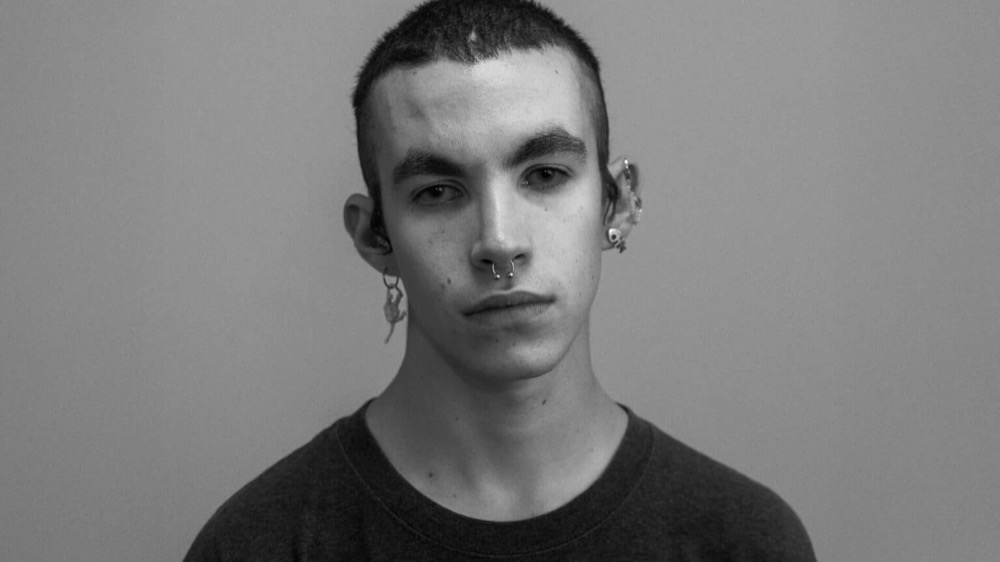
At sixteen I learned to look at my own body that way. A tumor on my spine, years in and out of operating rooms, and an aftereffect I still carry: my left hand half-asleep, never fully responding. All of a sudden I too had a body that didn’t fit, that gave itself away, that had to be explained. I’m not telling this as a tragedy. I’m telling it because it changed, for good, what I do with an image.
Years later I went to work inside the film industry. At DDT, a special-effects studio, as a concept designer: I made the mask and the mannequin for The Skin I Live In, Almodóvar’s film, which is about exactly that — a face remade by force. I designed creatures. And I learned something that changes everything: behind every monster there’s a hand that builds it. A being constructed with patience so someone will look at it and feel something. A craft. The same as a portrait.
With a camera in front of me I dare more. Once I ended up in the middle of a protest, with the police charging, and I stayed there taking photos. With a camera, looking scares me less. It’s the only way I know not to look away.
Watching them exist
Then film taught me something else, quieter: that I could exist too.
As I got older, films about people like me, people out of place, started to hurt. Beautiful Thing, two working-class kids in London. Brokeback Mountain, two men who couldn’t. Torch Song Trilogy, a cabaret artist in New York who just wants to be loved and to have his mother accept him. No speeches were needed. It was enough to see them there, whole, told with dignity and not as a joke or a punishment, for something inside me to understand that their story could be told. And if theirs could be told, so could mine.
For a kid who discovered what he was alone and afraid, those films do something the word «representation» falls short of naming: they’re the first proof that your life can be told. That you fit inside a story. That you’re someone.
The mask and the face underneath
And there was Bergman’s Persona, which I didn’t fully understand the first time and which marked me all the same. Two women’s faces that keep merging until you stop knowing which is which. The mask and the face underneath.
It took me a long time to put a name to my own: autism with high intellectual ability, diagnosed as an adult, after a whole life spent putting on a face to pass as normal. I learned it so early that for years I didn’t even know I was doing it. And I was wearing two masks at once, the autism one and the gay one. Both are learned the same way: watching how everyone else does it, copying it, hiding whatever’s left over so they’ll leave you alone. It’s the same trick laid over two different things. Bergman had already told me this years earlier, without my knowing he was talking about me.
The mask is there to help you survive. The problem is that if you wear it long enough, one day you don’t know what’s underneath. That happened to me. And when I was finally able to take it off, it didn’t disappear: it became material. I started making entire series about masks, about faces that weren’t the one you were supposed to wear. What once saved me, I could later look straight at and work with.
Saying things sideways
In time I understood why fantasy and science fiction reached me so much, and drawing-room drama didn’t. Because they say things sideways. About an alien or a monster you can say what they’d never let you say about a neighbor. Strangeness, desire, fear, difference: put inside a creature, they get through. It’s a way of telling the truth without it being censored — not by others, and not by yourself.
That’s why E.T. seems to me much more than a nice story. It’s the story of a lonely kid who finds family in the strangest thing in the universe, because the human world around him has failed him. They say Spielberg pulled it from his own childhood loneliness, from after his parents’ divorce. You can tell: that film knows exactly what it’s like not to fit even inside your own house. And that’s the key to almost everything that matters to me. When the world of people doesn’t take you in, you learn to look for kinship wherever you can find it. In an alien. In a monster. In an animal.
Fridays at the Icaria
In college, film became a craft for me. Every Friday I’d meet Manel, my best friend, at the Icaria theaters: two films in the original language, one before lunch and one after, with hours of talking about film and music in between. We were learning to look slowly, to notice how the light was set, why one scene grabbed you and the next let you go. That’s where I started to understand that looking well can be learned, and that it was the one thing I was actually good at.
One more thing from that period explains what came after: I’ve never known how to make standalone pieces. I need series, a set that makes sense together. Maybe that’s why, later on, instead of isolated images I ended up inventing whole families of characters.
Giving a face to what nobody looks at
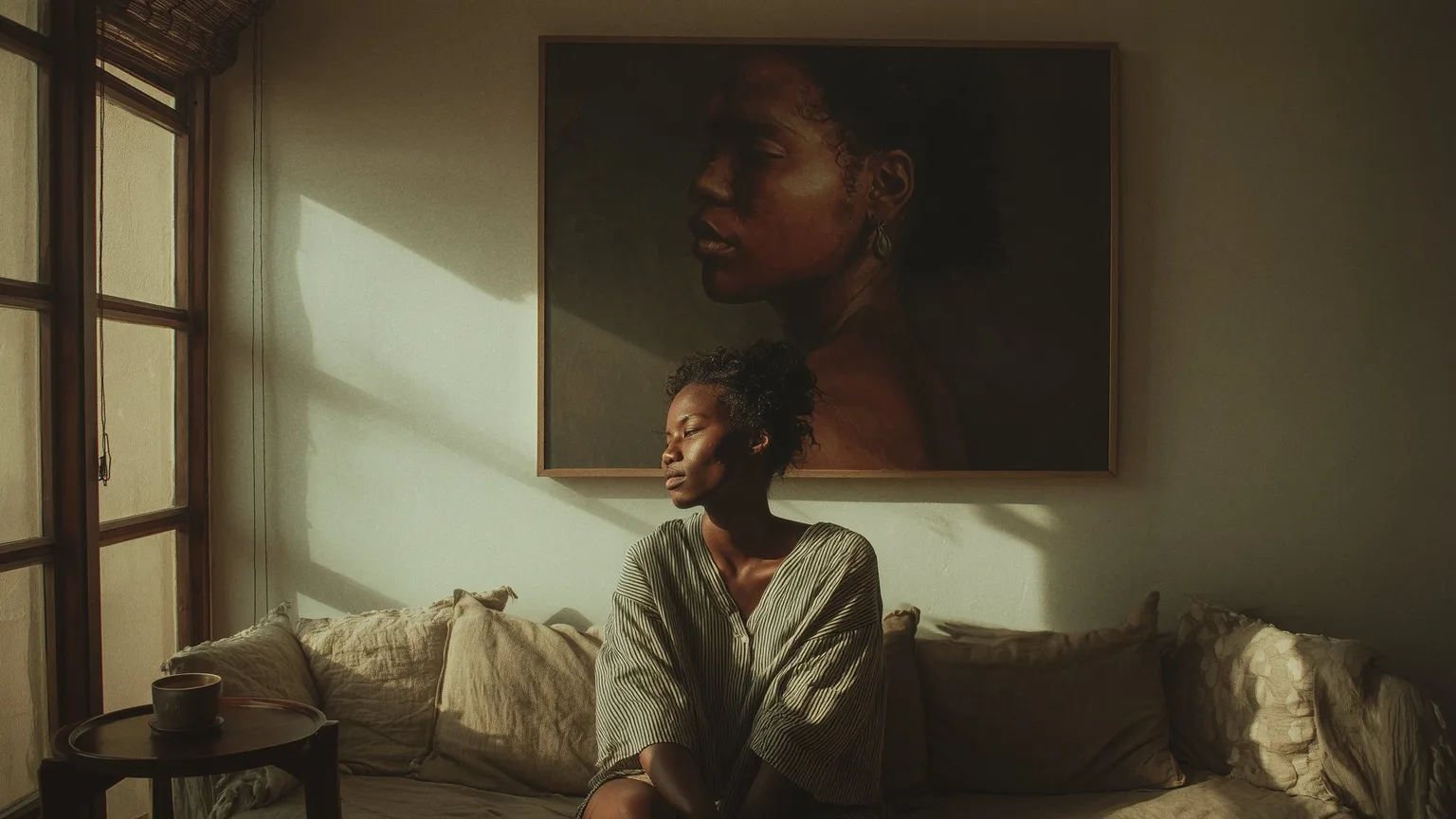
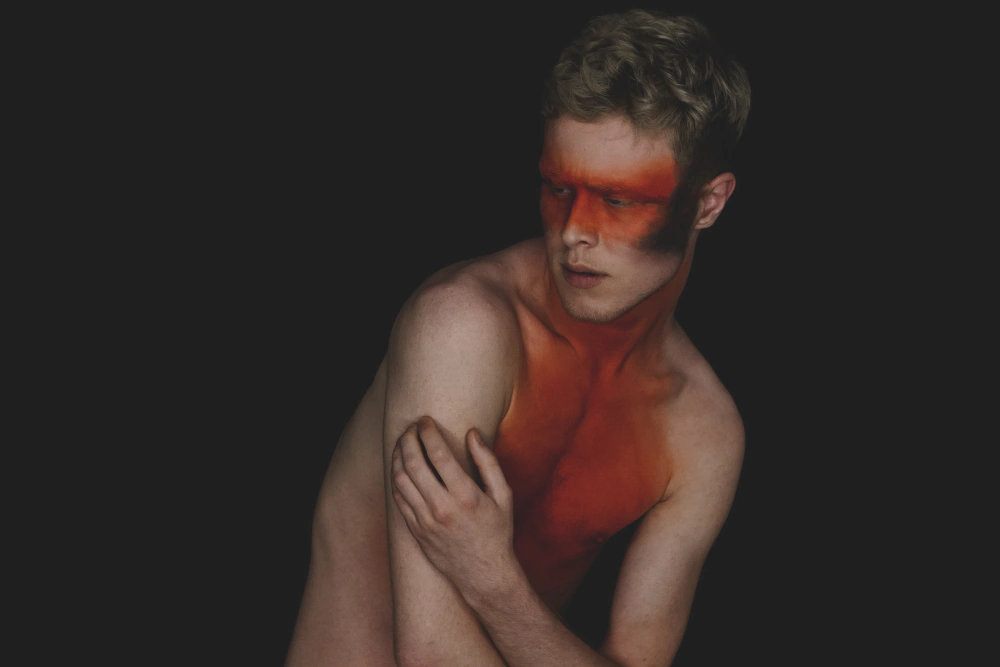
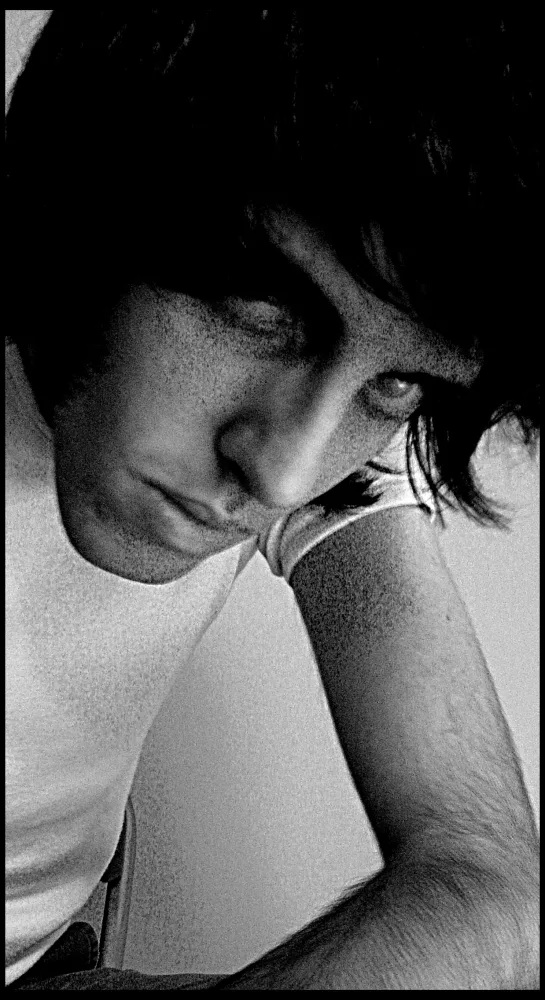
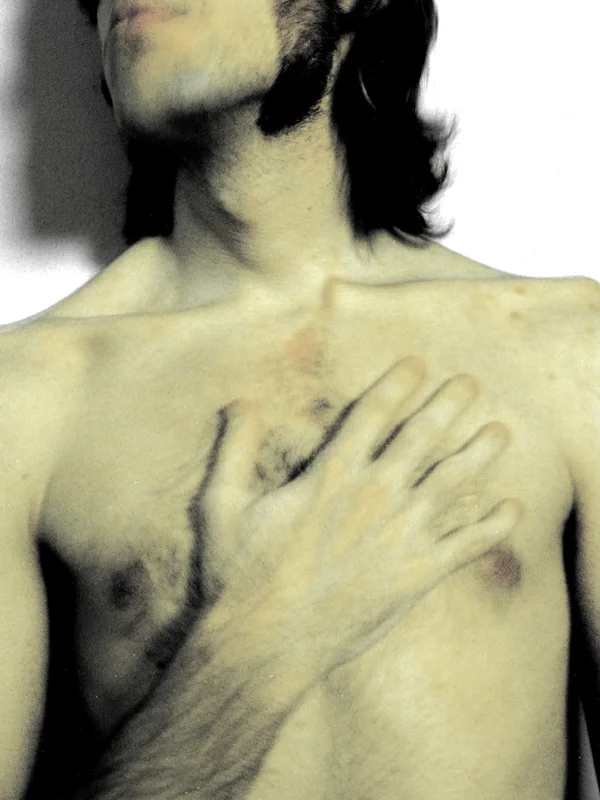
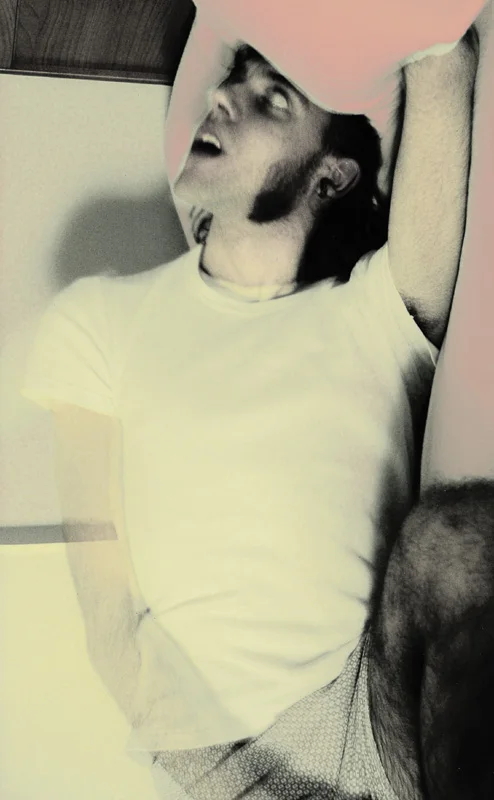
When I finally got out of the operating rooms, the first thing I made was self-portraits. Still no friendly animals: I put myself in front of the camera, to look at myself. And soon after, series called Violencia, Intimidad fantasma, Deformidad: dark digital portraits of bodies that don’t fit into any clean box. It was the language I had to get out what I carried inside.
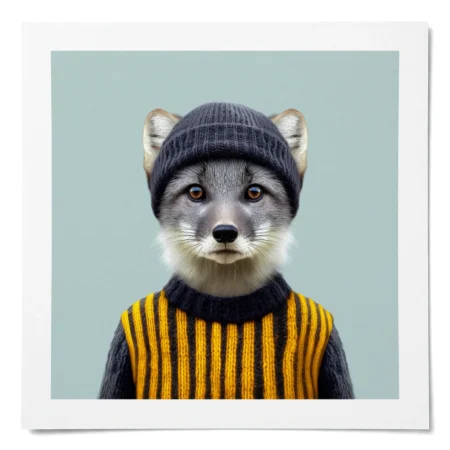
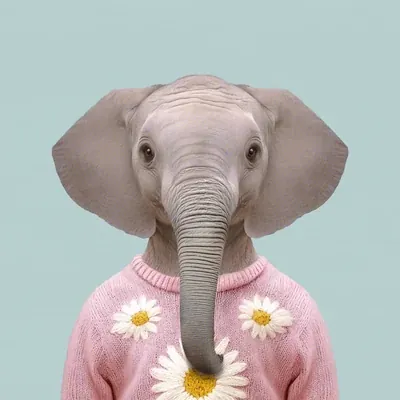
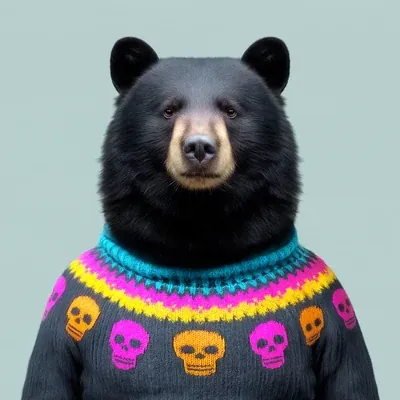
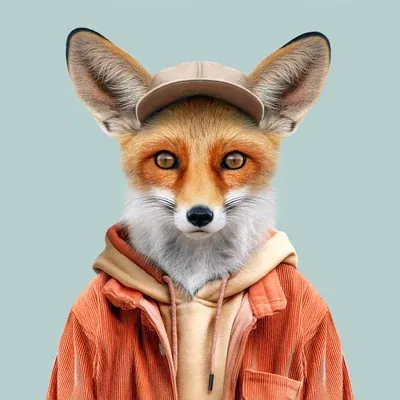
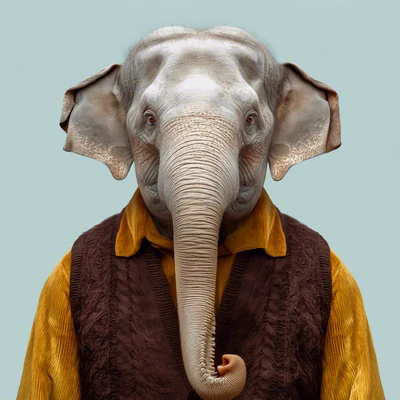
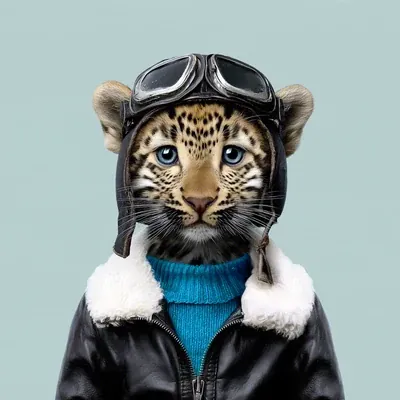
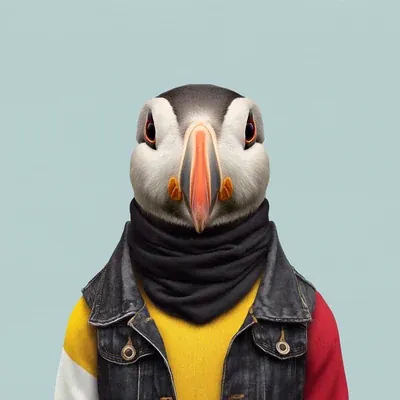
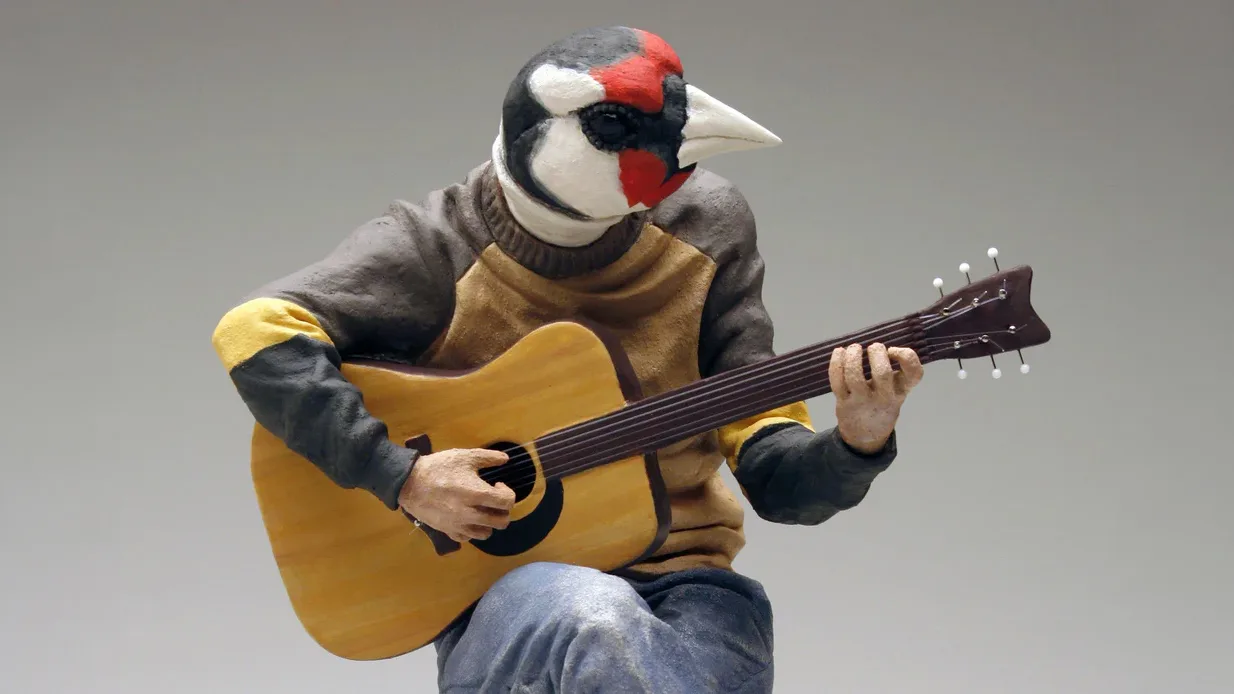
The animals in clothes came later, almost by accident, under the name Zoo Portraits. They went viral, showed up in an Apple ad and on the walls of a museum. Over the years I rebuilt the whole thing and called it Animal Kinhood: portraits of animals with a name, a trade, and a biography. Like Otto, an Arctic fox who wakes up at a quarter past three in the morning with no alarm, because his body decides for him. People find them likable, and they are. But inside they carry the same thing as those films: the dignity of a being who, supposedly, wasn’t meant to have a soul.
For years it was hard for me to show both faces together, the animals and the dark work, as if I had to choose between the one people like and the one I am. Not anymore, because they do the same thing. I take what society pushes aside — the deformed, the strange, whatever isn’t like us — and I give it a face so you can’t keep going without looking at it.
And I build it, the same way you build a monster on a film set. None of my animals is a photo of a real animal: each one is a collage of pieces from many, treated and repainted until it looks at you almost like a person. I was doing it by hand long before AI. Making a being that doesn’t exist feel real is the same thing I learned with the mask and the mannequin, and it’s more or less the only thing I know how to do.
In the end, all of this comes down to one thing, and it’s simpler than it looks. There’s an idea from John Berger that says it better than I can: seeing comes before words; the child recognizes the world before he can speak, and soon understands that he too can be seen. That gaze looking back at you is what places you in the world. As a kid, mine wasn’t always returned. It was returned by the monsters, the aliens, and the strange characters on a screen. Making portraits is me returning it now, to whoever needs it. Even if they have feathers, or fur, or a troll’s face.
Elliot
I have a strange fondness for E.T. It didn’t make me cry the way others did; it’s not one of the ones that tore me up inside. But it taught me something I still believe: that you can love the strangest thing in the universe, and that sometimes it’s the strangest thing that saves you. And I kept the kid.
Elliot hides the alien in his house, feeds him, defends him, loves him. Elliot was, for E.T., everything I didn’t have as a kid: someone. He always struck me as a good character, and the name stayed with me, tied to that idea — of being a good person.
Over the years I’ve built a family that loves me just as I am, with my two faces and my odd hand. And I named my son Elliot. (One t fewer than the one in the film.)
He’s still little and doesn’t know where his name comes from. What I really want is for him to grow up knowing what took me years to understand: that being different is, almost always, the best thing you have to give. Someday I’ll show him the film. For now, it’s enough for us to build things together, with our hands: his and mine, the one that works fine and the one that goes its own way.
The films in this text
Jurassic Park · E.T. · Terminator 2 · RoboCop · Edward Scissorhands · The Elephant Man · Border · Persona · Funny Games · Breaking the Waves · Dancer in the Dark · Beautiful Thing · Brokeback Mountain · Torch Song Trilogy